
By Dr. Heather J. Pinedo-Burns, Head of School Over the past few weeks, we have…
The Gift of Failure...And the Gift of Chores
by Dr. Heather J. Pinedo-Burns, Head of School
 About once a month during our weekly staff meetings, we break into Professional Learning Communities (PLCs). One of this year’s PLCs is a staff book club reading The Gift of Failure — the same book many of you read together earlier this year.
Revisiting the book for me has been powerful. When educators reflect together, new connections emerge. One theme that has resurfaced in an especially resonant way is the role of chores in developing not just responsibility — but kindness.
That idea gave me pause – what is the connection between kindness and chores?
Wanting to learn more, I did a bit of research. What I found reinforced what many of us intuitively know: regular, meaningful participation in household responsibilities is strongly correlated with the development of autonomy, empathy, self-efficacy, executive functioning, emotional regulation, and long-term confidence.
Alison Cashin from Making Caring Common at Harvard writes:
“Chores offer a window into the unseen work that keeps a household running. As kids help with tasks like setting the table or unloading the dishwasher, they begin to understand the work that goes into managing a household.”
Chores are not just about getting things done. They are about helping children and adolescents see beyond themselves – and to see beyond yourself is to recognize your role in your community. At school, I often ask students: How are you contributing to our school community?
At home, chores can be framed in much the same way — not as punishment or obligation, but as contribution. As belonging in action.
When children participate in cooking, care for pets, help manage laundry, shovel snow (a lot of snow these days!), or tidy shared spaces, they are practicing more than task completion. They are building executive functioning skills (planning, sequencing, follow-through). They are strengthening emotional regulation (persisting through something that isn’t immediately rewarding). And perhaps most importantly, they are developing empathy by recognizing that someone has to do this work — and that they can be part of it.
In a culture where children’s schedules are often full — after school activities, music lessons, academic commitments, sports, and social activities — it can be easy to unintentionally crowd out their role as contributors at home. Yet research consistently shows that children who regularly engage in age-appropriate chores grow into adults who are more capable, more collaborative, and more resilient.
Children do not need to do everything. But they do need to do something.
Practical Ways to Include Children in Chores
For families already prioritizing this — wonderful. For those looking to begin (or reset), here are a few ideas:
Be specific.
“Clean your room” can mean many things. Instead try:
- “Please put your dirty laundry in the hamper.”
- “Clear everything off your desk and wipe the surface.”
Clarity reduces friction and builds competence.
Keep it manageable.
Chores should generally take about 10–15 minutes. Success builds momentum.
Do chores together.
Shared work builds connection. Folding laundry side-by-side or cooking dinner together turns responsibility into relationship. These moments also create natural opportunities for teaching — how to fold a fitted sheet, different ways to chop vegetables, or how to load the dishwasher efficiently. When adults and children “co-do” a task, skills become more accessible and less overwhelming. Demonstrating alongside your child not only builds competence, it communicates partnership: we learn by doing, together.
Create predictable routines.
Consistency helps children internalize responsibility. The “when/then” approach can be especially effective:
When your bedroom floor is clear, then you may start your game.
Frame chores as contribution, not transaction.
Instead of tying responsibilities to payment or reward, center them in the shared life of your family. Chores are not just tasks to complete; they are ways we care for one another. Sometimes this might mean inviting your child to do something that isn’t “their” job at all — making a cup of tea for a grandparent, folding a sibling’s laundry, bringing in the trash barrels without being asked. Small, other-centered acts like these quietly reinforce an essential truth: in a family, we help not because we get something in return, but because we belong to one another.
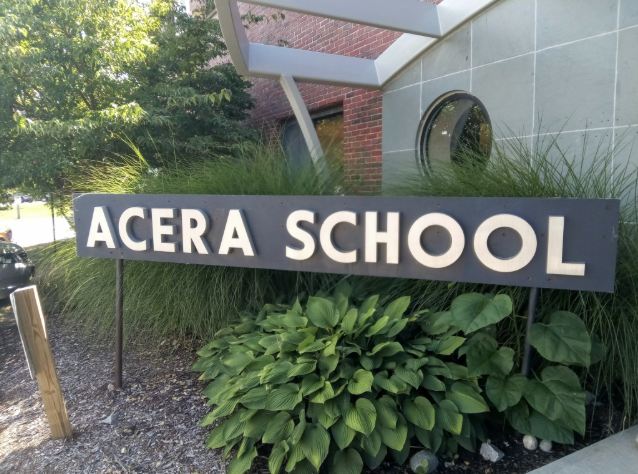
At Acera, we talk often about cultivating capable, compassionate, and self-directed learners – through stewardship, Guilds, and everyday school life. Chores — simple, ordinary, sometimes resisted chores — quietly build exactly those muscles.
The gift of failure is that it teaches resilience.
The gift of chores may be that they teach contribution.
And both matter deeply.