
By Dr. Heather J. Pinedo-Burns, Head of School There is a common misconception regarding gifted…
Belonging Starts With Being Seen
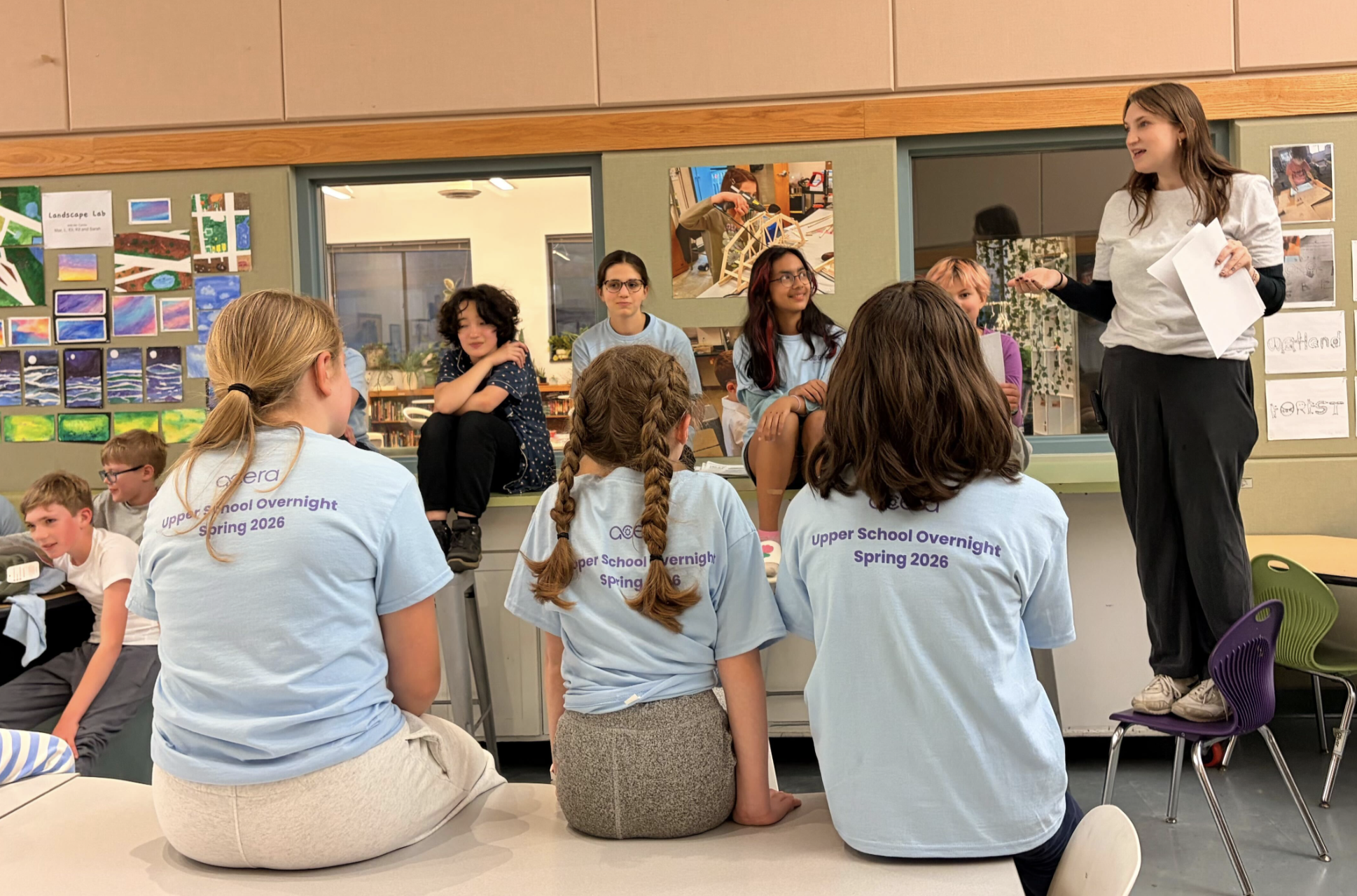
by Jamie Schefen, Dean of Students
A child can be included without feeling like they belong. They can have a seat in the classroom, friends at lunch, a name on a cubby, and still wonder whether the people around them truly understand them.
Belonging asks something deeper of a school. It asks us not just to welcome children into the community we've created, but to know them well enough that they can help shape it.
The moment a student realizes, “They know me here,” is an important one. It’s tempting to think these moments are created in broad strokes—through traditions, community gatherings, and events. While those experiences are important for building a culture of belonging, some of the most meaningful moments may happen on an ordinary Tuesday morning.
I’ve seen them countless times at Acera. When Ms. Alexis remembers an obscure question a student asked about a scientific theory in Metaphysics and follows up by emailing him academic articles—which he enthusiastically reads. When a student’s niche interest in the environmental effects of AI becomes an Inquiry Maker Passion Project, and IMPposium gives her an authentic audience as parents working in the field stop to engage with her ideas at length. When a student is challenged by math for the first time and discovers that they have a teacher who will help them navigate that challenge—not by making it easier, but by helping them build resilience, sit with struggle, and maybe even fail forward.
These moments may seem small, but together they communicate something powerful: You are seen here.
For many children, the first sign that they belong somewhere is not that they have changed in some way. It is that they no longer feel like they have to. Over my years at Acera, I have seen countless students begin to feel more comfortable in who they are. Anyone listening to the speeches at our graduation can truly feel this. Students begin to realize that their questions aren’t too much, their intensities can be an asset, and they can be a leader in a way they might never have thought possible. Gifted children may often feel different or strange, but being surrounded by other gifted students and an environment designed to support their floor and lift their ceiling, what once made them feel different can also be the things that connect them to other people.
This is why, at Acera, we believe belonging starts with our deep effort to truly see our students. Our curriculum is guided by best practice and essential skills, but it also has the flexibility to ask questions like: What fascinates this child? What challenges them? When do they light up? When do they retreat? Where are they ready to soar independently, and where do they still need someone beside them?
These questions are backed by research; a student's sense of belonging at school is associated with academic engagement and achievement, social connection, and psychological well-being. Research also consistently identifies supportive relationships with teachers as one of the strongest contributors to students' sense of belonging. That makes intuitive sense. Before students can feel connected to an institution, they need to experience connection with the people inside of it. Being seen, then, is not peripheral to learning. It helps create the conditions in which learning can happen.
For some students, being seen means finally encountering academic work with enough complexity to require real effort. For another, it means having an adult recognize that a child capable of extraordinarily sophisticated thinking may still need support with organization, executive functioning, flexibility, social dynamics, or emotional regulation.
This is particularly important in a school serving gifted learners. Intellectual development is not always synchronous, and seeing the whole child means making room for all of those truths at once.
Of course, simply knowing a child isn't enough. The next question is: What do we do with what we know?
At Acera, we try to turn that knowledge into pathways. Sometimes those pathways are academic. Our approach allows students to encounter challenges that are responsive to their readiness rather than simply their age or grade. Differentiated classrooms create opportunities for teachers to adjust depth, pace, complexity, and support. Our ability based math programming allows students to learn at a level appropriate to them and feel appropriately challenged.
Sometimes the pathway begins with curiosity. Electives, projects, and interdisciplinary learning give students opportunities not only to discover interests or explore existing interests more deeply, but also to discover and be inspired by one another. A child who may not initially know where they fit can suddenly find themselves deeply engaged alongside classmates who also want to analyze the shot types in a film, investigate an ecosystem, build something in our maker space, or debate an ethical question during thematic learning in the core classroom.
Belonging does not mean that school is always comfortable. In fact, a community in which children are truly known can ask a great deal of them. Students can be challenged to persevere, reconsider an idea, take responsibility for the impact of their actions, or try something they might not immediately choose.
Being seen means that challenge happens in the context of a relationship: We know you. We believe you can grow. And we are going to help you figure out how. Because ultimately, belonging is about creating a community expansive enough to say: We see who you are. We see who you might become. And there is a place for you here.